How to Select the Right Aluminum Factory for Your Production Requirements
Choosing the proper light weight aluminum shop is important for successful production outcomes. Factors such as project specs, factory abilities, and interaction techniques play considerable functions in this decision-making process. Recognizing the nuances of each element can significantly affect the performance and top quality of the end product. As the complexities of these considerations unfold, it is necessary to explore what genuinely defines a suitable collaboration in aluminum shop choice.
Understanding Your Manufacturing Needs
When choosing an aluminum shop, understanding production requirements is necessary, as it directly affects the high quality and efficiency of the last products. Each project has one-of-a-kind requirements, including dimensions, resistances, and material residential properties that have to be clearly defined. The intended application of the light weight aluminum elements also plays an essential function; whether they are for aerospace, automotive, or durable goods, the needs can vary significantly.
In addition, elements such as manufacturing quantity, deadlines, and budget plan restraints should be taken into consideration. For example, high-volume production might necessitate different strategies or devices than low-volume custom orders. Understanding these parameters enables much better communication with the shop, making certain that capabilities line up with assumptions. Ultimately, a complete understanding of production demands results in educated choices, lowering the risk of quality issues and boosting total task success. This foundational step sets the phase for a productive partnership with the selected light weight aluminum factory.
Reviewing Shop Capabilities and Experience
To ensure a successful partnership with a light weight aluminum foundry, examining its abilities and experience is vital - Metal Casting. Potential clients must start by analyzing the factory's manufacturing procedures, consisting of casting methods, alloy option, and ending up strategies. Recognizing these capacities warranties that the foundry can meet specific manufacturing needs
Experience is similarly vital; a reputable shop typically has a wide range of knowledge concerning market standards and quality control steps. Evaluating study or testimonies can supply insight into the factory's previous tasks and consumer contentment levels. Additionally, it is valuable to ask about the shop's workforce expertise and any accreditations held, as these variables contribute to general reliability and capability.
Examining Technological Innovations
When selecting a light weight aluminum factory, examining technical developments is crucial for ensuring high-quality end results. Ingenious spreading methods, along with improved automation and effectiveness, can greatly influence production timelines and costs. Additionally, durable quality assurance actions are necessary for maintaining the stability of the final products.
Ingenious Casting Techniques
Improvements in casting technologies are improving the light weight aluminum factory landscape, making it possible for manufacturers to accomplish better precision and efficiency. Methods such as die casting, shed foam spreading, and investment casting are obtaining grip, enabling elaborate styles and lowered product waste. The use of computer-aided style (CAD) and simulation software improves the spreading procedure by optimizing and forecasting potential flaws mold and mildew design. These cutting-edge techniques not just enhance item high quality however also shorten lead times, making production much more nimble. In addition, developments in alloy formulas add to lighter yet more powerful elements, catering to industry demands for efficiency and sustainability. As aluminum foundries take on these methods, they place themselves to fulfill progressing market requires efficiently.

Automation and Performance
As aluminum foundries progressively accept automation, they considerably boost operational effectiveness and efficiency. Advanced robot systems and automated machinery streamline the casting procedure, minimizing labor expenses and reducing human mistake. These technological developments allow consistent manufacturing prices and allow for better versatility in manufacturing various light weight aluminum elements. In addition, automation promotes real-time monitoring of production specifications, resulting in enhanced operations and resource monitoring. Factories that adopt automated solutions can quickly adjust to changes popular, ensuring timely distribution of items while keeping high outcome levels. By buying automation, light weight aluminum factories position themselves competitively in the market, meeting the expanding needs for performance and accuracy in production. Inevitably, this change towards automation stands for a significant action onward in the market.
Top Quality Control Measures
Quality guarantee remains an important aspect of the light weight aluminum factory sector, especially as technical developments proceed to improve manufacturing processes. Modern factories are significantly embracing sophisticated high quality control steps, such as real-time surveillance systems and progressed information analytics. These modern technologies allow precise monitoring of material buildings and manufacturing parameters, ensuring consistent product high quality.
Furthermore, computerized assessment strategies, including laser scanning and X-ray evaluation, enable the discovery of defects that might or else go unnoticed. Applying these procedures not just enhances item dependability but likewise lowers waste and remodel. Therefore, shops that prioritize quality assurance can enhance customer satisfaction and maintain a competitive edge. Assessing a factory's commitment to high quality assurance is essential for guaranteeing ideal production outcomes.
Value of Quality Assurance Processes
Quality control processes are essential in aluminum factories as they assure the honesty and dependability of the last products. Reliable examination and screening techniques, adherence to qualification criteria, and robust traceability and documents techniques add to preserving premium quality. These elements jointly enhance consumer trust and complete satisfaction in the foundry's outcome.
Evaluation and Screening Approaches
While selecting an aluminum factory, understanding the inspection and screening approaches utilized is vital for making certain the honesty of the last product. A credible foundry will carry out a selection of quality assurance procedures, including aesthetic examinations, dimensional checks, and non-destructive screening techniques such as ultrasonic or X-ray examinations. These approaches are essential for recognizing any kind of issues or inconsistencies within the spreadings. Additionally, the foundry must comply with methodical screening methods to evaluate mechanical properties like tensile toughness and solidity. Routine monitoring and documents of these processes offer openness and assurance to clients relating to the high quality of the light weight aluminum parts created. Ultimately, a factory's dedication to strenuous evaluation and testing symbolizes its devotion to supplying high-quality products that satisfy industry requirements.
Certification Requirements Compliance
Exactly how can compliance with accreditation standards improve the dependability of an aluminum foundry? Adhering to established qualification criteria ensures that a shop carries out extensive high quality control procedures. These requirements often encompass different aspects, consisting of material specs, production techniques, and ecological factors to consider. By achieving accreditation, a foundry shows its dedication to keeping high-quality result and operational quality. This conformity not just fosters customer depend on however also reduces the risk of flaws and remodel, therefore boosting overall efficiency. Furthermore, certified foundries are more probable to remain updated with sector improvements, guaranteeing they use finest methods and modern technologies. Eventually, accreditation criteria act as a benchmark for quality guarantee, making them vital for any kind of aluminum shop intending for sustainable success in the industry.
Traceability and Documents
Traceability and documentation are crucial elements of reliable quality assurance procedures in an aluminum foundry. check that These practices assure that every phase of production is recorded, enabling for the monitoring of materials, procedures, and final items. This systematic technique aids in identifying any kind of defects or disparities that might emerge, promoting timely corrective activities. In addition, detailed documentation gives a historical document that can be vital for audits and conformity with market criteria. It likewise promotes transparency between the shop and its clients, building trust and self-confidence. Ultimately, a shop that prioritizes traceability and documentation is better outfitted to keep high-grade requirements, reduce waste, and improve total functional efficiency, guaranteeing that client demands are consistently met.
Client Service and Interaction
When selecting a light weight aluminum foundry, assessing customer support and interaction can greatly influence the general experience. A shop that prioritizes effective communication fosters a collective partnership, ensuring that job specs are clearly comprehended and met. Responsiveness to problems and queries is crucial; quick replies can suggest a specialized team that values client contentment.
Clear communication regarding job progress, difficulties, and timelines helps to develop depend on. It is very important for possible customers to determine how well the shop adjusts and pays attention to particular requirements, which can boost the manufacturing process.
Additionally, consumer solution need to prolong beyond first communications; long-term support can be a measure of a shop's commitment to quality. A company that offers thorough after-sales service is typically better furnished to manage future projects and modifications. Inevitably, solid customer support and communication can bring about a much more rewarding and effective partnership in between the foundry and the client.
Rates and Preparation Considerations
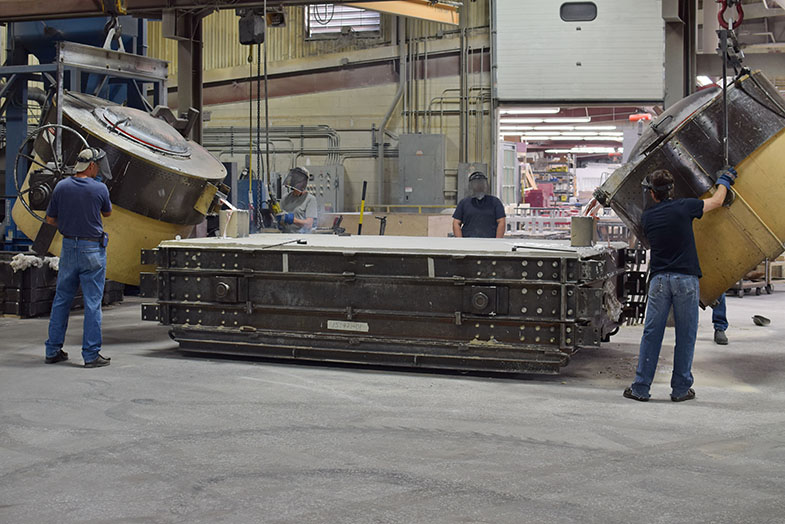
Lead time is influenced by the factory's manufacturing ability, existing workload, and the availability of resources - Aluminum Foundry. A shop with advanced equipment and ample staffing may supply quicker turn-around times, while a stockpile of orders can extend lead times considerably. Communication regarding certain task timelines and needs is crucial for aligning expectations. Inevitably, selecting a foundry includes stabilizing price with the necessity of production requires to assure prompt distribution without endangering top quality
Regularly Asked Inquiries
What Kinds of Aluminum Alloys Can the Shop Job With?
The factory can collaborate with numerous light weight aluminum alloys, consisting of 1000 series (pure aluminum), 2000 series (copper alloys), 3000 collection (manganese alloys), 4000 collection (silicon alloys), 5000 collection (magnesium alloys), and 6000 collection (magnesium-silicon alloys)
Can the Shop Manage Custom Alterations or styles?
The factory's capacity to deal with customized designs or modifications significantly varies. Prospective customers must ask about the shop's experience, modern technology, and versatility to guarantee it fulfills their certain design and manufacturing demands effectively.
What Is the Foundry's Minimum Order Amount?
The factory's minimum order quantity differs based on manufacturing abilities and product expenses. Possible customers must inquire straight to identify particular click here for more info needs, making sure the order aligns with both monetary restraints and production timelines.
What Qualifications Does the Foundry Hold for Quality Criteria?
The factory holds several qualifications, including ISO 9001 for top quality administration, ISO 14001 for ecological administration, informative post and possibly AS9100 for aerospace applications, making certain adherence to extensive quality requirements in its manufacturing procedures.
How Does the Shop Ensure Environmental Sustainability in Its Procedures?
The factory implements different approaches for environmental sustainability, consisting of recycling scrap aluminum, making use of energy-efficient technologies, lowering waste emissions, and adhering to rigorous environmental policies, therefore reducing its environmental impact throughout the production procedure.
Selecting the suitable aluminum foundry is important for successful production outcomes. When choosing a light weight aluminum shop, understanding manufacturing needs is crucial, as it straight affects the top quality and performance of the last items. By spending in automation, light weight aluminum shops position themselves competitively in the market, meeting the growing demands for effectiveness and accuracy in manufacturing. Quality guarantee continues to be a vital element of the light weight aluminum foundry market, especially as technical innovations proceed to reshape production processes. Quality control procedures are necessary in light weight aluminum factories as they guarantee the honesty and dependability of the final items.